Longevity is one of the biggest topics in health and wellness right now, and for good reason. People want to know what they can do today to stay strong, active, and capable for decades to come. If you’re asking that question, strength training for longevity is one of the most reliable answers available, and it’s backed by both research and real results from people who’ve made it part of their routine.
Strength training does more than build bigger muscles. It helps preserve muscle and bone, supports a healthy metabolism, improves how your body manages blood sugar, and keeps you strong and capable as you age. If longevity is the goal, strength training deserves a central place in your plan.
Why Is Strength Training Important as You Get Older?
Muscle loss doesn’t wait until your senior years to start. It can begin as early as your 30s, and without regular resistance training, that loss gradually adds up over time. This makes strength training for longevity less about reacting to age and more about staying ahead of it.
Beyond muscle, strength training supports the systems that keep you independent later in life: bone density, balance, and joint stability. These are the factors that determine whether you can get up off the floor easily, catch yourself if you trip, or keep doing the activities you love without hesitation.
The research is clear that it’s never too late to start. Your muscles respond to resistance training well into later life, so whether you’re 35 or 75, building strength now pays off in how you move, feel, and function for years to come.
The Benefits of Strength Training for Long-Term Health
It Preserves Muscle Mass
Without regularly challenging your muscles, you gradually lose mass and strength over time, and that decline can accelerate the longer you go without training. Strength training reverses that pattern. When you consistently challenge your muscles with resistance, you give them a reason to adapt and stay strong.
Starting earlier gives you more time to build and preserve muscle, but there’s real value in starting at any age. This is one of the clearest examples of how strength training for longevity works: you’re not just slowing down loss, you’re actively building a resource your body relies on for the rest of your life.
It Keeps You Strong and Capable
Strength is what lets you carry your kids or grandkids, haul luggage through an airport, get up off the floor without thinking twice, tackle a hike, or say yes to something physical without wondering if your body can handle it.
Those everyday moments aren’t happening in the gym, but the strength that makes them possible is built there. This is one of the most practical benefits of strength training: it gives you more freedom to do the things you actually want to do.
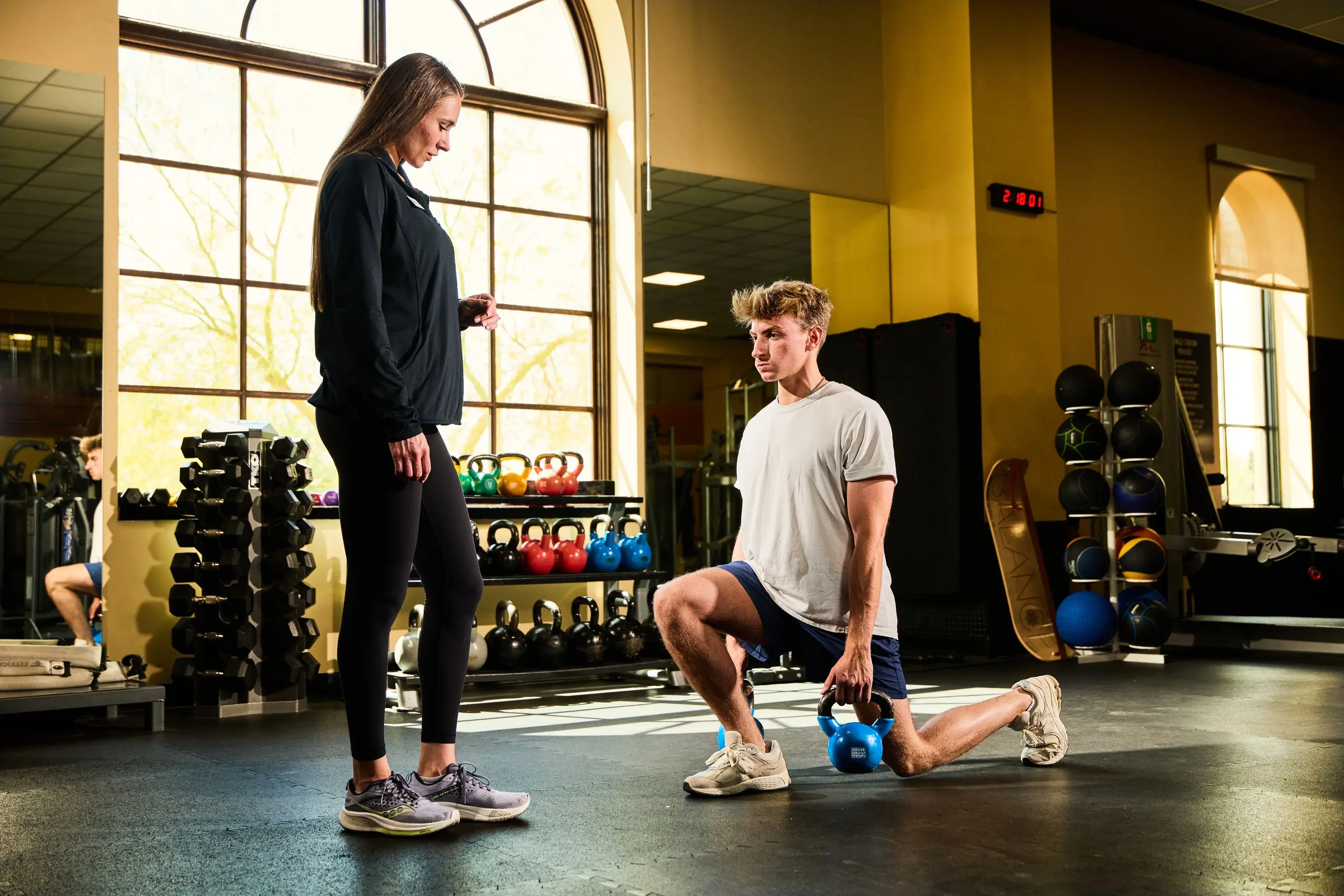
Curious what a strength-focused workout looks like at Village Clubs? Check out our personal training programs to get matched with a trainer who can build a plan around your goals.
It Strengthens More Than Your Muscles
Your muscles aren’t the only tissue that responds to resistance training. Bones and connective tissue adapt to load as well. Progressive resistance training supports bone strength and bone mineral density, while tendons adapt to become more resilient over time.
Strength training also improves balance, stability, and overall physical function, which matters when you think about one of the biggest concerns later in life: falling. Maintaining muscle, strength, and mobility helps you stay steady on your feet and better able to correct yourself if you lose your balance. And if a fall does happen, stronger bones are more resilient.
How Strength Training and Metabolism Are Connected
Muscle is metabolically active tissue, which means it requires energy just to maintain itself. Building and preserving lean muscle supports a healthy metabolism and improves body composition. Unlike simply burning more calories during a single workout, building muscle creates changes in your body that extend well beyond the time you spend exercising.
This is a big reason strength training and metabolism are so closely tied for anyone focused on fat loss. Repeated cycles of dieting, losing weight, and regaining it, especially without preserving muscle, can slow your metabolism over time. Strength training helps protect against that by building and maintaining the muscle your metabolism depends on.
Strength training can also improve insulin sensitivity, which helps your body use insulin more effectively to move glucose out of your blood and into your cells for energy. That translates to better blood sugar regulation overall.
Muscle Changes How Your Body Looks, Too
The same muscle that makes you stronger and supports your health also gives your body shape and definition. Building and preserving lean muscle improves body composition, creates a stronger and more athletic appearance, and can contribute to a more youthful look. Researchers are even beginning to study how strength training may affect skin health over time.
Feeling strong and looking strong tend to go hand in hand. How you look, how you feel, and how your body functions are all connected pieces of longevity, and building muscle has a positive impact on all three.
How to Start Strength Training (Even If You’re a Beginner)
You don’t need to spend hours in the gym to benefit from strength training, and you don’t need to be a certain age to start. The best time to start is now. If you’re new to it, two days a week is a great starting point, and it lines up with current physical activity guidelines.
A good strength workout isn’t measured by how much you sweat or how exhausted you feel afterward. The goal is to challenge your muscles enough that they have a reason to adapt. That means lifting with intention, using enough resistance to challenge the muscles you’re training, resting enough between sets to give a strong effort each time, and gradually progressing as you get stronger.
Getting your heart rate up matters too, but it’s not the primary goal of a strength session. When you’re training for strength, give your muscles the chance to do what you came to ask of them: get stronger.
Not sure where to begin? Explore our group fitness classes designed for every experience level, from beginner strength sessions to advanced training.
How Village Health Clubs and Spas Can Help
Building strength for the long haul is a lot easier with the right environment and support. At Village Health Clubs and Spas, you’ll find fully equipped strength training areas, a variety of group fitness classes, and personal trainers who can help you build a program suited to your goals and experience level. Whether you’re picking up a weight for the first time or you’ve been training for years, our team can help you train with intention and track your progress along the way.
If you want extra guidance on nutrition and recovery to support your strength training results, our spa and wellness services are also available to help you recover well between sessions.
Frequently Asked Questions
How often should I strength train for longevity?
Two sessions a week is a solid starting point, especially if you’re new to strength training. As your body adapts, you can add sessions or increase intensity based on your goals and recovery.
At what age should I start strength training?
There’s no age limit. Muscle responds to resistance training well into later life, so whether you’re just starting in your 30s or picking up weights for the first time in your 60s or 70s, you can still build meaningful strength.
Does strength training help with weight loss? Yes. Strength training helps preserve and build lean muscle, which supports a healthier metabolism and better body composition. It also improves insulin sensitivity, which helps your body manage blood sugar more effectively, both of which support long-term weight management.
Can strength training help prevent falls as I age? Yes. Strength training improves balance, stability, and physical function, all of which help you stay steady on your feet. It also builds bone density, so if a fall does happen, your bones are more resilient.
Start Building Strength That Lasts
Strength training for longevity isn’t about chasing a number on the scale or a personal record in the gym. It’s about building a body that stays strong, capable, and resilient for everything life brings, now and decades from now. Whether you’re just getting started or you’ve been training for years, there’s always more to gain from getting stronger.
Sign up for a 7-day free trial at any of our clubs: Gainey, Ocotillo, DC Ranch, or Camelback.