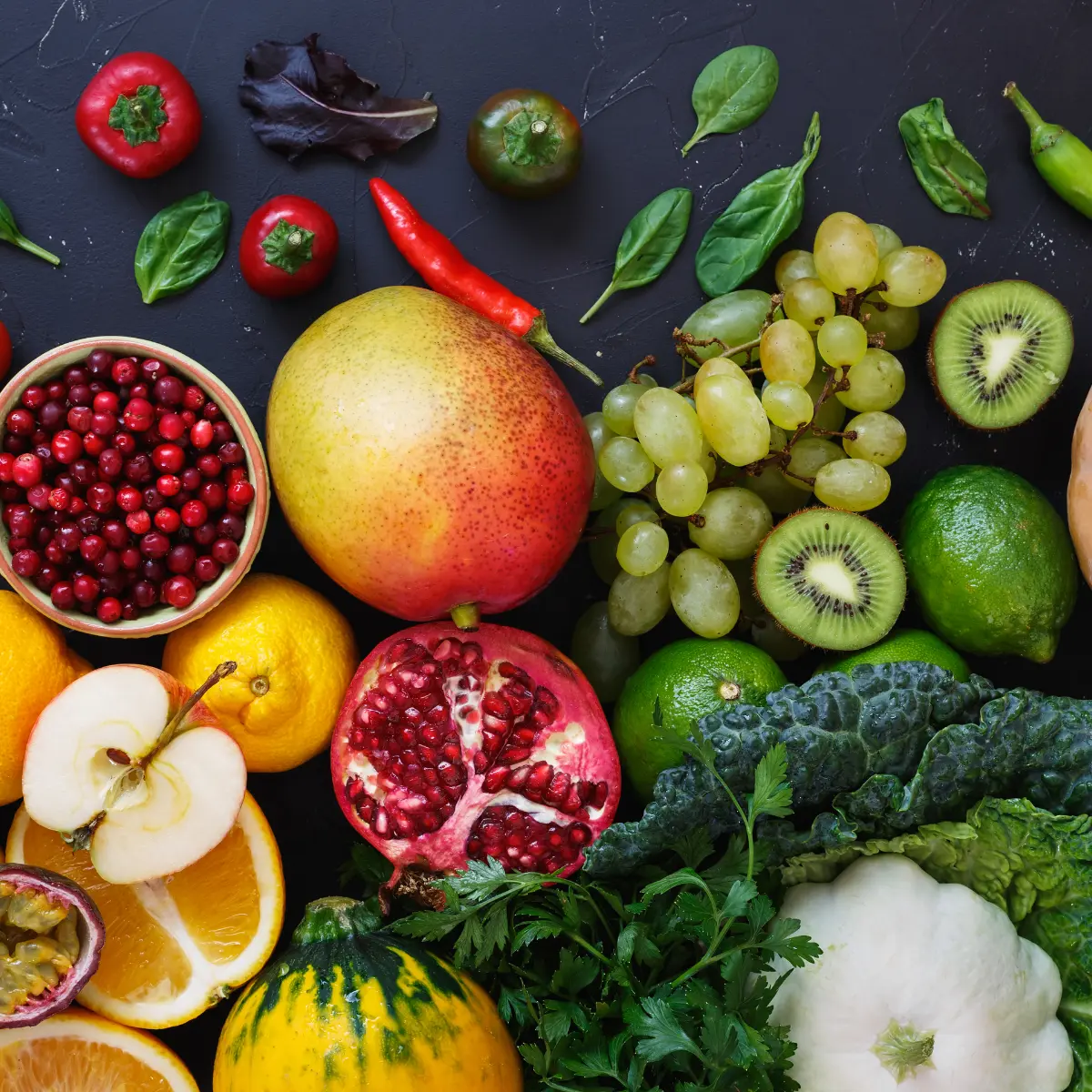
Eating a healthy, balanced diet is always the foundation of good nutrition—but we can take it a step further by thinking about how we layer nutrition into the foods we already eat.
Once you have the basics covered—plenty of fruits and vegetables, quality protein, whole grains, and healthy fats—small additions can help bring even more nutritional value to your plate. Think of these as nutrition boosters: nutrient-dense ingredients that add important micronutrients, fiber, healthy fats, antioxidants, probiotics, and other beneficial compounds without requiring you to completely change your meals.
Here are five nutritional “boosters” worth keeping in your kitchen—plus simple ways to use each one.
1. Psyllium Husk: A Fiber Powerhouse
Psyllium husk may not be the most glamorous ingredient in the pantry, but nutritionally, it packs a punch.
Psyllium is particularly rich in soluble fiber. When mixed with liquid, it absorbs water and forms a gel-like consistency. This soluble fiber can help support regular bowel movements and digestive health while also helping you feel fuller after meals.
Psyllium can also be beneficial for heart health. Regular consumption of soluble fiber from psyllium can help lower LDL (“bad”) cholesterol, particularly when it’s part of an overall heart-healthy eating pattern.
Because it absorbs a significant amount of liquid, start slowly if you aren’t accustomed to eating much fiber and be sure to drink plenty of fluids.
Almond Joy Protein Overnight Oats
A chocolatey breakfast is an easy place to sneak in an extra dose of fiber.
Ingredients
- ⅔ cup milk of choice
- ¼ cup oats
- 2 tablespoons psyllium husk
- 1 serving chocolate protein powder
- ⅓ cup nonfat plain Greek yogurt
- ⅛ teaspoon almond extract
- 1 tablespoon shredded coconut flakes
Mix everything together and refrigerate overnight. The psyllium will thicken the oats considerably, so you can add additional milk in the morning until you reach your preferred consistency.
2. Miso: Big Flavor With Fermented-Food Benefits
Miso is a traditional Japanese ingredient made by fermenting soybeans—often along with rice or barley. Beyond adding an incredible savory, umami flavor, miso brings some impressive nutritional benefits to the table.
One of the things that makes miso especially interesting is fermentation. Miso is produced using beneficial microorganisms, and unpasteurized miso that contains live and active cultures can provide probiotics—beneficial microbes that can help support a healthy and diverse gut microbiome.
It’s also rich in nutrients such as manganese, copper, and vitamin K.
For the biggest potential probiotic benefit, look for unpasteurized miso with live cultures and avoid exposing it to prolonged high heat, which can reduce the number of live microorganisms. Using miso in salad dressings, dips, or stirring it into foods toward the end of cooking are great options.
Ginger Miso Dressing
This simple dressing is an easy way to turn vegetables, salads, grain bowls, or roasted vegetables into something you’ll actually look forward to eating.
Ingredients
- ⅔ cup rice vinegar
- 2 tablespoons maple syrup or favorite sweetener
- 2 tablespoons white miso paste
- 2 tablespoons tamari or soy sauce
- 2 tablespoons white sesame seeds
- 2-inch piece fresh ginger
- 2 garlic cloves
Add all ingredients to a blender and blend until smooth. Drizzle over your favorite salad, grain bowl, or vegetables.
3. Nutritional Yeast: The Savory Sprinkle
Affectionately called “nooch,” nutritional yeast has a cheesy, nutty flavor that makes it an easy substitute for—or addition to—Parmesan and other savory toppings.
Nutritional yeast provides protein and several B vitamins, particularly high in vitamin B12. That’s especially helpful for people following vegetarian or vegan diets, since B12 naturally occurs primarily in animal-derived foods.
Try sprinkling it over vegetables, eggs, pasta, soups, potatoes, or popcorn.
“Nooch” Popcorn
Ingredients
- ⅓ cup nutritional yeast
- 1 teaspoon sea salt, or to taste
- 3 tablespoons coconut oil, or enough to thoroughly coat the bottom of the pan
- ½ cup popcorn kernels
Add the nutritional yeast and salt to a large food-storage container with a lid and set aside.
Pop the popcorn using your preferred method. While it’s still hot, transfer it immediately to the container, secure the lid, and shake until the popcorn is evenly coated.
You get the crunch of popcorn with an extra savory, cheesy-tasting nutritional boost.
4. Cacao Nibs: Chocolate With a Crunch
Think of cacao nibs as chocolate closer to its original form. They’re small pieces of crushed cacao beans and have a deep, slightly bitter chocolate flavor.
Cacao nibs provide fiber and minerals such as magnesium and iron, along with naturally occurring plant compounds called flavanols and other polyphenols.
Unlike many chocolate products, cacao nibs typically don’t have added sugar. That also means they aren’t particularly sweet. Pairing them with fruit or yogurt is a great way to balance their intense chocolate flavor.
Try adding cacao nibs to oatmeal, smoothies, yogurt bowls, trail mix, or homemade energy bites.
5. Brazil Nuts: A Little Goes a Long Way
Brazil nuts may be one of the most nutritionally concentrated nuts you can add to your diet. They’re packed with healthy unsaturated fats, protein, magnesium, copper, and vitamin E, but their real claim to fame is selenium.
Brazil nuts are one of the richest natural food sources of selenium. Selenium is an essential mineral that helps support normal thyroid function, immune health, and the body’s antioxidant defense systems, which help protect cells from oxidative damage.
And you don’t need a large serving to reap the benefits. Because Brazil nuts are so naturally rich in selenium, just a few can provide an impressive nutritional boost- 1-3 nuts equals the amount in a selenium supplement. Chop them over yogurt, oatmeal, or smoothie bowls for an easy way to add crunch, healthy fats, minerals, and satisfying richness to your meal.
Chocolate Yogurt Bowl With Cacao Nibs & Brazil Nuts
This bowl combines protein, fruit, healthy fats, fiber, and plenty of chocolate flavor.
Ingredients
- 1 cup plain Greek yogurt
- 1 tablespoon cocoa powder
- Sweetener of choice to taste (equivalent to 1–3 teaspoons honey)
- ⅛ teaspoon vanilla or almond extract
- ½ cup raspberries
- 2 tablespoons cacao nibs
- 2–3 Brazil nuts, chopped
Mix the Greek yogurt, cocoa powder, sweetener, and extract until smooth and chocolatey. Top with raspberries, cacao nibs, and chopped Brazil nuts.
You get protein from the Greek yogurt, fiber and antioxidants from the raspberries and cacao, and a concentrated dose of selenium and healthy fats from the Brazil nuts.
Nutrition doesn’t have to be about finding the “perfect” food or following a complicated diet. Instead, look at the meals and snacks you already enjoy and ask: What can I add to make this a little more nutritious?
To learn more about a personalized approach to nutrition, reach out to Village dietitian, Jamie Miller. E:jamiller@dmbclubs.com P:7134942030